
California enforces some of the strictest regulations on pet ownership, with a lengthy list of prohibited species that many other states allow. Violating these laws can lead to hefty fines and criminal charges.
All states appear to have their own unique and sometimes odd laws that may seem trivial or pointless. This is especially true in California, which is well-known for having such laws.
In short, California enforces strict regulations on which pets can be owned and kept. These bans are often due to concerns about the risk they pose to native wildlife or people if they escape.
As you look through the list below, many interesting animals are prohibited. Some are obvious, like lions, tigers, and bears. Although sometimes it may seem illogical, there are reasons behind these bans. Exotic pet enthusiasts are often the most likely to disagree with the list.
California Fish and Game laws prohibit keeping as pets any animals that are endangered, pose a threat to public health and safety, or endanger native fish, wildlife, or agriculture, making it a misdemeanor.
However, it's uncommon for individuals to face prosecution for illegal possession of exotic animals in California. Typically, the illegal pet is confiscated. Based on the species, it may be rehabilitated, released into the wild, transferred to a specialized care facility, or euthanized.
California's Prohibited Animal Laws
According to California Code of Regulations (CCR) Title 14, Section 671 (Possession of Wildlife), it is illegal to keep many species classified as "exotic animals" as pets.
These include animals other than cats, dogs, and fish that are not typically kept as pets. The California Department of Fish and Wildlife (CDFW) oversees enforcement of these regulations.
In California, owning certain species is forbidden. Four key criteria justify these restrictions:
- Public Safety: Certain animals can directly threaten human safety, especially large predators that become particularly hazardous if they are not housed or handled properly.
- Environmental Protection: Many species that are prohibited are not native to California. If they escape or are released into the wild, they could threaten delicate local ecosystems. Numerous exotic animals are labeled as "invasive species" because they can reproduce rapidly in the wild with limited natural predators.
- Disease Control: Certain animals can harbor diseases that may be transferred to humans or other animals, creating a serious health hazard.
- Endangered Species: Some animals are considered endangered, making it illegal to keep them in captivity.
Common Prohibited Exotic Animals
California bans thousands of species as pets—too many to detail. However, here are some common animals permitted as pets in other states but illegal in California:
- Ferrets: Although popular in many states, these pets are banned in California because of fears they might escape and become feral, potentially harming local wildlife.
- Hedgehogs: These small, adorable, spiked animals are popular pets in other states, especially due to the influence of the game character Sonic. However, in California, there are worries that if they escape, they could spread in the wild and disturb local ecosystems. Their quills can puncture human skin and are known to carry diseases such as salmonella and ringworm.
- Monkeys: In some states, monkeys are kept as pets, but California prohibits them. Monkeys and chimpanzees can be unpredictable and pose safety risks, as well as the potential to transmit diseases to people. Additionally, they are seen as a harmful threat to California's native wildlife and agriculture.
- Quaker Parakeets: Also called Monk Parakeets, these birds are prohibited in California because they tend to build large, disruptive nests and may out-compete native bird species.
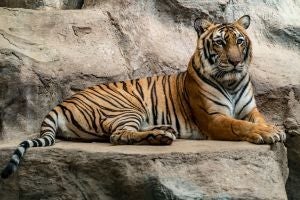
- Large Cats: Animals such as lions, tigers, and cougars are illegal because they pose a threat to public safety.
- Gerbils: Although gerbils are popular pets in many states, they can threaten California's ecosystems if they escape. Native to desert regions, gerbils are not originally from California, and feral populations of escaped gerbils could lead to significant environmental harm.
- Squirrels: Although squirrels are common in California, they cannot be kept as pets because of concerns about disease spread. Additionally, they tend to chew on everything, which can cause significant damage indoors if they escape.
What Are Other Prohibited Species?
Although not an all-inclusive list, here are some other animal species that are not allowed as pets in California:
- Sugar Gliders
- African Clawed Frogs
- Toads
- Salamanders
- Crayfish
- Snails
- Alligators and Crocodiles
- Capybaras
- Bears
- Lions
- Tigers
- Raccoons
- Bats
- Marsupials (e.g., mongoose, kangaroo)
- Falcons
- Other birds, mammals, and amphibians are classified as "wild animals."
Like many regulations, California law allows some exceptions. The CDFW can grant special permits to retain certain restricted animals for specific reasons such as research, exhibitions (e.g., zoos, shows), and other purposes.
However, these permits do not authorize keeping these animals as pets.
What Are the Consequences of Violations?
If law enforcement finds out you're keeping an illegal animal, you may face financial and legal penalties. This could include any or all of the following:
- The animal will probably be taken away from your care.
- You might need to pay for the pet's boarding, rehabilitation, relocation, or euthanasia.
- You could face a fine ranging from $500 to $10,000 (plus the costs mentioned above), and
- You might be charged with a misdemeanor, which could result in up to 6 months of jail time.
If you are accused of violating Penal Code 597 PC related to animal abuse and cruelty, contact our California criminal defense attorneys to review your case details. Eisner Gorin LLP has offices in Los Angeles, CA.
Related Content

 If you have one phone call from jail, call us! If you are facing criminal charges,