
Destruction of Government Property Defense Attorney
Damaging or destroying property owned or controlled by the federal government is a federal offense under Title 18 U.S.C. 1361. Convictions can lead to prison sentences of up to 10 years, depending on the value of the damaged property.
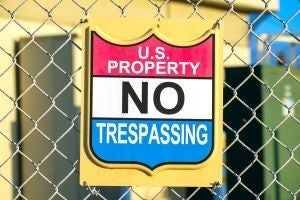
This law safeguards U.S. property from deliberate destruction or attempted destruction.
It is a specific intent crime, meaning the government must demonstrate that the defendant intentionally defaced or damaged the property with the knowledge that such acts are illegal.
A related federal law is 18 U.S.C. § 1369, the Veterans' Memorial Preservation and Recognition Act of 2003.
This law addresses the desecration of statues and monuments dedicated to military veterans, such as those of General and President Ulysses S. Grant and the World War II Memorial.
Violating 18 U.S.C. § 1361, which involves destruction of property, is classified as malicious mischief and can result in severe federal charges. Typically, federal cases are viewed as more serious than state cases and tend to impose harsher penalties upon conviction.
There might be opportunities to negotiate reduced charges or even dismiss the case entirely. Our federal criminal defense attorneys will review this law in more detail below.
What Does Section 1361 Say?
The offense of destroying government property is quite broad and may include various actions. Let's review the legal definition and its scope.
18 U.S.C. § 1361 is a federal law prohibiting the destruction of federal property. The law itself makes it a felony for anyone who "willfully injures or commits any depredation against any property of the United States, or of any department or agency thereof, or any property which has been or is being manufactured or constructed for the United States, or any department or agency thereof, or attempts to commit any of the foregoing offenses..."
The law generally covers damage or destruction of property owned or leased by the federal government, such as buildings, vehicles, equipment, and furnishings.
It also includes items manufactured under contract for the U.S. government and any department or agency that contracts to produce them.
Additionally, the law makes it a federal crime to attempt to commit any of these offenses, so trying to damage government property is considered just as illegal as actually doing so.
What Is "Depredation?"
While the word "depredation" isn't explicitly defined in the statute, it is commonly understood to refer to acts of plundering or looting.
Courts have historically interpreted it as "plundering, robbing, pillaging, or laying waste," covering a wide range of actions, including theft, vandalism, and property destruction.
Imagine a man breaking into a copper wiring factory, damaging equipment, and stealing copper wire to sell illegally.
The factory had a contract with the federal government, and the stolen wire was part of that contract. In that case, he may be charged with a federal crime because the property they pillaged legally belonged to the federal government.
What Are the Related Federal Laws?
18 U.S. Code Chapter 65 outlines the federal statutes related to the destruction of government property, including the following provisions:
- 18 U.S.C. § 1361 - This law imposes penalties for intentionally damaging or destroying U.S. government property.
- 18 U.S.C. § 1362 - This law concerns intentionally damaging communication lines, stations, or systems.
- 18 U.S.C. § 1363 - This statute concerns intentionally and maliciously damaging structures, conveyances, or property within the territorial jurisdiction of the United States.
- 18 U.S.C. § 1364 - This statute criminalizes damaging or destroying articles or places involved in foreign commerce by fire or explosives with the purpose of preventing or hindering product exports to other countries.
- 18 U.S.C. § 1365 - This statute covers tampering with consumer products that impact interstate or foreign commerce or with product labels, regardless of the risk of injury to others.
- 18 U.S.C. § 1366 - This statute covers intentionally damaging or trying to damage energy facilities, resulting in damages exceeding $100,000.
- 18 U.S.C. § 1367 - This law pertains to interfering with satellite operations and can result in a ten-year federal prison sentence.
- 18 U.S.C. § 1368 - this statute criminalizes intentionally and maliciously harming police animals or attempting to do so.
What are the Penalties?
The penalties for damaging or destroying government property vary depending on the value of the property.
For damages valued under $1000, the maximum penalty can include a fine, up to one year of imprisonment, or both. If the damage exceeds $1000, the maximum sentence escalates to 10 years in prison.
How can you Challenge the Charges?
If you're charged with damaging or destroying government property, a skilled federal criminal defense attorney can examine your case and identify potential defenses. Some options are outlined below.
For instance, we might argue that you did not actually damage or destroy property. You could have been involved in a group protest but did not participate in vandalism.
It might be argued that the damage was unintended. 18 U.S.C. 1361 requires a deliberate act of destruction. If the damage was accidental, you are not committing a federal crime.
We could also argue that the property damaged was not owned or controlled by the government.
Contact our law firm to review the specifics and explore legal options if you face accusations of destroying government property. We may also negotiate with the federal prosecutor for a favorable outcome.
Eisner Gorin LLP, located in Los Angeles, California, serves clients nationwide on federal criminal matters. Reach out for an initial case review via phone or contact form.
Related Content:
 If you have one phone call from jail, call us! If you are facing criminal charges,