
What is the Impact of Wrongful Convictions in California?
Wrongful convictions in California severely impact exonerees, resulting in intense psychological trauma, financial devastation, and social stigma.
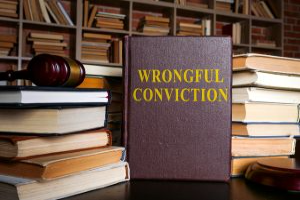
These cases also harm victims and fail to ensure justice, often due to official misconduct, false evidence, and insufficient legal representation.
As a result, there are increasing calls for systemic reforms, such as improved public defense and better support for exonerees.
Although California has a high number of exonerations, it struggles to provide adequate reentry assistance.
This situation reveals profound and complex damage to individuals, their families, and the justice system as a whole.
The criminal justice system is designed to protect society and ensure justice. It is built on the principle that a person is innocent until proven guilty beyond a reasonable doubt. Despite these safeguards, the system is not infallible.
Understanding the far-reaching consequences of these errors is essential for anyone facing criminal accusations in California.
Key Takeaways
- Our criminal justice system is operated by humans who can make mistakes, and evidence might be misinterpreted or manipulated. Consequently, innocent people are occasionally wrongfully convicted of crimes they did not commit.
- Exonerees experience significant mental health challenges such as PTSD, anxiety, and depression. These issues are worsened by the hardships of incarceration and the trauma of wrongful conviction, which often result in "coerced moral degradation" as a means of survival.
- Upon release, they encounter significant challenges in securing employment (due to their records), housing, and forming relationships. They often lack adequate compensation or support, which impedes their ability to rebuild their lives.
- Families endure stigma, financial hardship, and emotional distress, struggling to support their loved ones post-exoneration.
- Wrongful convictions let the real offenders stay free, enabling ongoing crimes and damaging public confidence.
What is a Wrongful Conviction?
A wrongful conviction occurs when an innocent person is found guilty due to errors, misconduct, or unreliable evidence. Some common questions include:
- What are the most common causes of wrongful convictions in California? Police misconduct, false confessions, unreliable forensic evidence, and inadequate defense resources.
- Can a wrongful conviction be overturned? Yes, through appeals, habeas corpus petitions, or newly discovered evidence such as DNA testing.
- Does California compensate exonerees? Yes, but compensation is often delayed, limited, and insufficient to address long-term harm.
What Causes Wrongful Convictions in California?
There are systemic failures in the criminal justice system. Wrongful convictions are rarely the result of a single mistake. They are usually caused by overlapping systemic failures, including:
Official Misconduct and False Evidence
- Perjury by law enforcement or witnesses
- False confessions (often involving coercion or vulnerable suspects)
- Unreliable or misused forensic evidence
- Prosecutorial misconduct, including evidence suppression
High-profile scandals such as the Rampart Division case illustrate how systemic misconduct can lead to mass injustice.
Inadequate Legal Defense
Many California counties lack full-time public defense investigators. As a result:
- Evidence goes unchallenged
- Witnesses are not interviewed
- Alternative suspects are never explored
This disproportionately affects low-income defendants.
Capital Punishment Risks
Wrongful convictions in death penalty cases highlight the irreversible consequences of error, prompting many advocates to call California's capital punishment system fundamentally flawed.
What are the Effects on the Innocent and Their Families?
Obviously, the people who feel the most direct impact of a wrongful conviction are the defendant and their loved ones.
Depending on the severity of the sentence, the conviction can have a destructive effect on their lives for years to come--mainly in the following ways.
The Loss of Liberty and Autonomy
For a wrongfully convicted individual, the most profound immediate consequence may be the loss of freedom. Incarceration represents a total forfeiture of personal autonomy.
Individuals often spend months, years, or decades behind bars, missing significant life milestones and losing the ability to direct their own lives.
Even in cases where probation is imposed in lieu of jail time, the increased sense of accountability to a probation officer, conditional requirements such as community service or mandatory counseling, etc., can rob an individual of autonomy - and the lingering criminal record can follow them for years as well.
Financial Difficulty
A wrongful conviction may be financially catastrophic for both the accused and their dependents. The legal costs required to mount a defense often exhaust personal savings and lead to significant debt.
Upon conviction, an individual's earning capacity may be reduced or eliminated, often resulting in the loss of family homes and long-term economic instability.
Psychological Trauma and Social Stigma
The psychological impact of a wrongful conviction is profound. Victims often experience severe trauma characterized by hopelessness, anger, and a sense of betrayal by the justice system.
Furthermore, the social stigma of a criminal record persists even after exoneration, creating substantial barriers to securing employment, finding housing, and reintegrating into the community.
Harm to the Family Unit
The consequences extend to the family of the innocent party, who endure emotional distress and public shame.
Spouses and parents often bear the financial burden of ongoing legal battles while managing the loss of a primary household earner.
Children are particularly vulnerable, as growing up without a parent can lead to lasting developmental and emotional challenges. Even after a conviction is overturned, the damage to the family unit remains difficult to repair.
What is the Impact on Taxpayers?
While the human cost is the most tragic aspect of wrongful convictions, there is also a significant financial impact on taxpayers, including the costs of prosecution and enforcement.
Specifically, taxpayers bear the brunt in the following ways:
- Financial Waste in Prosecution: The initial cost of prosecuting a case, including law enforcement investigations, court proceedings, and prosecution expenses, is substantial. When an innocent person is convicted, these public resources are fundamentally wasted.
- Expenses of Unnecessary Incarceration: The cost of incarceration represents a major public expense. California taxpayers fund the housing, food, and medical care for every inmate within the state prison system. Each year an innocent individual spends behind bars constitutes a direct and unnecessary drain on public funds that could have been allocated elsewhere.
- Civil Liability and Compensation Settlements: When a wrongful conviction is overturned, the financial consequences may persist through civil litigation. States and municipalities often face lawsuits filed by exonerated individuals seeking compensation for lost liberty and suffering. These settlements and judgments frequently amount to millions of dollars per case.
- Long-term Community Impact: The legal costs of wrongful convictions are ultimately funded by taxpayers, diverting capital from essential public services such as education, infrastructure, and healthcare. Consequently, a single miscarriage of justice creates a lasting financial ripple effect that impacts the entire community.
How Can a Skilled Criminal Defense Attorney Help?
A knowledgeable and proactive California criminal defense attorney is the most critical line of defense against a wrongful conviction. An attorney can help in several key ways:
- Preventing Wrongful Convictions: From the outset, a skilled attorney thoroughly investigates the prosecution's case. They scrutinize evidence, identify procedural errors made by law enforcement, and challenge questionable witness testimony. They can file motions to suppress illegally obtained evidence, preventing it from being used against you in court. By building a strong, fact-based defense and presenting it effectively, a good attorney works to prevent a conviction.
- Challenging Wrongful Convictions: If a wrongful conviction has already happened, the fight is not over. An experienced attorney can navigate the complex post-conviction relief process. This may involve filing appeals based on trial errors or a writ of habeas corpus to challenge the legality of the detention. Attorneys can also pursue new evidence, such as DNA testing that was not available at the time of the original trial, which can definitively prove a person's innocence and lead to their exoneration.
In summary, if you think you or a family member has been wrongly convicted, contact Eisner Gorin LLP in Los Angeles for a case evaluation.
Related Content:
 If you have one phone call from jail, call us! If you are facing criminal charges,