
California's stringent gambling laws cast a significant shadow over the state, defining what is and isn't permissible in the realm of gambling. Penal Code 337a, a far-reaching statute, criminalizes bookmaking or pool-selling, encompassing a wide range of activities related to accepting, recording, and paying out bets.
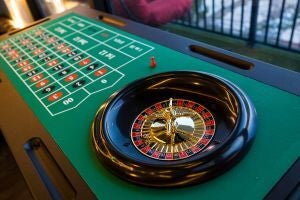
In simple terms, PC 337a criminalizes involvement in unauthorized gambling activities such as bookmaking, pool selling, and organized betting.
These laws are vigorously enforced throughout the state and can result in severe penalties, including misdemeanor or felony charges, heavy fines, asset forfeiture, and imprisonment. The potential consequences underscore the importance of a robust legal defense.
Whether you're a casual player or suspected of being part of a larger operation, the potential impact on your freedom and livelihood is significant. This underscores the necessity of a strong legal defense to protect your personal and professional life.
Understanding what constitutes illegal gambling under California law and how prosecutors build these cases is crucial. This knowledge will empower you to better prepare for your defense and know what to expect at each stage of the legal process, making you feel more prepared and in control.
Key Takeaways
- Penal Code 337a has a broad scope. It bans not only classic gambling activities but also various related practices such as informal betting pools, bookmaking, and online wagering platforms.
- California has a strict approach: unless a specific form of gambling is explicitly permitted by state law, it is generally considered illegal.
- Some conduct might seem illegal but actually isn't enforceable because of a lack of commercial intent or legal ambiguities, similar to situations in other regulated industries like California gambling laws under Penal Code 330-337z PC.
- California Penal Code § 332 PC makes it illegal to obtain another person's money or property through fraud, trickery, or dishonest means during card games, gambling, wagers, or pretensions to fortune-telling.
What Constitutes Illegal Bookmaking and Pool-Selling?
California Penal Code 337a broadly prohibits participating in bookmaking and pool-selling.
- Bookmaking is the act of taking bets, setting odds, and paying out winnings on the outcome of a contest, such as a horse race or a sporting event. A person engaged in bookmaking is often called a "bookie."
- Pool-selling involves selling shares or chances in a "pool" of bets. The collected funds are distributed among the winners who correctly predicted the outcome of an event.
The law applies not only to those who run a bookmaking business as an occupation but also to anyone who engages in any of the prohibited acts, even a single time.
Specific Acts Prohibited Under PC 337a
Penal Code 337a outlines six distinct types of prohibited activities related to illegal betting. You can be charged for committing any of these acts:
- Engaging in Bookmaking or Pool-Selling: This is a general prohibition against the act of bookmaking or pool-selling, with or without a written record, at any time or place.
- Keeping or Occupying a Location for Betting: This makes it illegal to keep or occupy any room, building, or other space with equipment (books, papers, devices) for the purpose of recording or registering bets or wagers.
- Receiving, Holding, or Forwarding Money or Bets: This clause prohibits a person from receiving, holding, or forwarding money or anything of value that has been bet or wagered on the outcome of a contest or event.
- Recording or Registering Bets: It is a crime to record or register a bet or wager on the result of any contest, whether it involves skill, speed, or chance.
- Permitting Use of a Space for Betting: An owner, lessee, or occupant of any property who knowingly permits it to be used for any of the illegal activities mentioned above can be charged under this section.
- Making, Offering, or Accepting Bets: This provision makes it illegal to lay, make, offer, or accept a bet or wager on the outcome of any contest.
Elements Prosecutors Need to Establish Under PC 337a
To convict someone under PC 337a, prosecutors need to demonstrate that the individual:
- Engaged in or helped organize bookmaking or pool selling activities.
- Knowingly involved in or benefited from illegal gambling activities.
- Did so with the intention of breaking the law.
This suggests that a defense might center on demonstrating a lack of intent or knowledge. If the defendant reasonably thought their actions were lawful, or if they simply attended an event without actively participating, the prosecution may not meet their burden of proof.
This defense strategy could involve presenting evidence of the defendant's lack of knowledge about the illegal nature of the activity or their lack of active participation in the gambling operation.
Possible Penalties for a Conviction
Illegal bookmaking under PC 337a is a 'wobbler,' a term used in California law to describe offenses that can be charged as either a misdemeanor or a felony, depending on the specifics of the case and your criminal history.
This means that even if it's your first offense, the charge can be escalated to a felony if the circumstances warrant it, potentially leading to more severe penalties.
- First Offense: A first-time conviction typically results in misdemeanor penalties, including up to one year in county jail and/or a fine of up to $5,000. If charged as a felony, a violation can carry a sentence of up to 3 years in state prison.
- Second Offense: A second conviction under this statute requires a mandatory minimum fine of $1,000 and up to $10,000, in addition to potential jail or prison time.
- Third or Subsequent Offense: For three or more convictions, the penalties increase. A conviction can result in jail/prison time and a fine of between $1,000 and $15,000.
In many cases, the court may grant probation, but it will likely include a condition requiring payment of a significant fine.
Professional and Financial Consequences
A conviction under PC 337a can have serious consequences beyond criminal penalties, potentially harming your financial stability and career prospects.

This could include difficulties in obtaining or maintaining professional licenses, as well as the possibility of asset forfeiture if the government links particular property or accounts to the suspected gambling.
Several state licensing boards view gambling convictions as moral turpitude offenses, which may lead to disciplinary measures in fields like finance, insurance, and real estate.
Furthermore, asset forfeiture might occur if the government links particular property or accounts to suspected gambling, so your defense should incorporate methods to safeguard lawfully obtained assets and challenge aggressive forfeiture attempts.
RICO and Its Links to Criminal Profiteering
In more serious cases, California prosecutors might pursue additional charges under PC 186.2, which classifies illegal gambling as criminal profiteering when it's committed for financial profit.

Criminal profiteering refers to engaging in illegal activities for financial gain and can significantly increase the severity of charges and potential penalties.
If the gambling is tied to an ongoing operation, the case can swiftly escalate into a California RICO claim under racketeering laws, with serious legal and financial implications.
This raises the likelihood of asset forfeiture, enterprise charges, and longer prison sentences. These charges often depend on demonstrating an organized pattern of conduct or recurring behavior aimed at profit.
Challenging the commercial aspect or highlighting purely social motives can weaken the prosecution's case.
Common Defenses to PC 337a Charges
If you have been accused of illegal bookmaking, an experienced California criminal defense attorney can evaluate the facts of your case and build a strategy to combat the charges. Common defenses include:
- No Criminal Intent: A central element of the crime is intent. If you did not have the specific intent to engage in bookmaking or facilitate illegal betting, you cannot be found guilty. For example, you may have been present where betting occurred but were not a participant.
- No Prohibited Act: Your attorney could argue that your actions did not meet the legal definition of any of the six prohibited acts under PC 337a.
- Illegal Search and Seizure: Evidence against you is often obtained through a search of your person, property, or electronic devices. If law enforcement violated your Fourth Amendment rights by conducting an illegal search, any evidence found may be suppressed and cannot be used against you.
- Entrapment: This defense may apply if you were induced by law enforcement to commit a crime you would not have otherwise committed.
- Constitutional Defenses: This is often a key issue in gambling prosecutions, especially when laws are vague or enforcement is inconsistent. A common challenge is Vagueness: Claiming that the wording of PC 337a is too ambiguous to communicate clearly which conduct is illegal.
For more information, contact our criminal defense law firm, Eisner Gorin LLP in Los Angeles, CA.
Related Content:

 If you have one phone call from jail, call us! If you are facing criminal charges,