
Long Beach Domestic Violence Lawyer
Facing domestic violence charges in Long Beach, CA, can have severe repercussions, not just in terms of criminal penalties, but also in one's personal life, potentially affecting relationships, living arrangements, and future opportunities.

California has established some of the nation's strictest domestic violence statutes, reflecting the state's commitment to protecting victims and holding offenders accountable.
Long Beach law enforcement and prosecutors pursue these cases with particular vigor, often seeking maximum penalties even in first-time offenses. This underscores the urgency of seeking competent legal representation.
Given this aggressive stance, the role of a competent Long Beach criminal defense attorney is not just advisable, but necessary. Your rights and future need protection, and a skilled legal representative can provide that.
In California, domestic violence cases are often punished more severely than a comparable incident involving a total stranger. In fact, Long Beach domestic violence cases are treated differently from other criminal cases, such as theft, drug offenses, sex crimes, and assault.
Designated Prosecutors
The state has a number of specially designated prosecutors and special domestic violence units (also called DV units) within the District Attorney's Office and the City Attorney's Office.

These special prosecutors and DV units stand ready to prosecute anyone who is charged with domestic violence aggressively. For this reason, it's essential to trust your case to an experienced Long Beach domestic violence lawyer.
Domestic violence cases can be further complicated by the "he said, she said" nature of these crimes, as there are often incidents where there are no other witnesses present - only the defendant and the victim.
This can complicate this type of case, requiring a defense lawyer who is adept at interpreting evidence and building a compelling defense argument based upon the available evidence, with little or no eyewitness testimony.
Enforcement of Domestic Violence Crimes
Domestic violence enforcement in Long Beach operates through a coordinated system involving multiple agencies and jurisdictions.
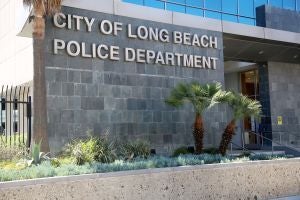
The Long Beach Police Department serves as the primary responding agency for domestic violence calls throughout the city's diverse neighborhoods, from Belmont Shore to the Eastside.
At the same time, the Los Angeles County Sheriff's Department may exercise jurisdiction in certain areas, as well.
Mandatory Arrest Rule and Restraining Orders
California Penal Code Section 13701 mandates that law enforcement officers make arrests when they have probable cause to believe a domestic violence crime has occurred.
This mandatory arrest requirement removes officer discretion in most situations, meaning police must arrest someone if there is evidence of domestic violence at the scene. This rule sometimes even means the wrong person may be arrested.
In addition, law enforcement may issue an emergency protective order at the scene, which immediately bars the defendant from contact with the alleged victim. This order may then be converted to a temporary or even a permanent restraining order.
If you're the accused, this means you may be forced to move from your home and change your routines to avoid contact with the accuser. Violating these orders is a serious offense and may result in additional criminal charges, further highlighting the need for legal advice and representation.
Once arrests are made, cases move to the Los Angeles County District Attorney's Office for prosecution. While Long Beach police handle the initial investigation and arrest, domestic violence cases are prosecuted in California state courts under the jurisdiction of the Superior Court of California, County of Los Angeles.
The courthouse located in Long Beach handles many of these cases for the local area. Prosecutors in Long Beach have developed specialized domestic violence units that focus exclusively on these cases.
These units work closely with victim advocates and often pursue charges even when victims are reluctant to cooperate. They use a variety of evidence, such as photographs of injuries, 911 recordings of the incident, and witness testimony, to build cases.
What is Considered Domestic Violence in CA?
Domestic violence charges often occur in family law disputes over divorce issues or child custody arrangements. However, notably, there are many different situations where domestic violence offenses can occur.
Domestic violence is typically defined as an act of physical violence, threatened violence, and abuse that occurs in connection with the following types of personal relationships:
- Married couples
- Former spouses
- Cohabitating couples
- People currently or were formerly involved in a dating relationship
- Persons who have children together, even if they are no longer romantically involved and live in separate dwellings
What are the Different Forms of Domestic Violence?
Domestic violence crimes include a broad array of different crimes, including spousal abuse and child endangerment.
Any threatening or violent act, even if the accused did not intend to harm or compromise the safety and security of the victim, could be sufficient grounds for prosecution under California domestic violence laws.
The different types of conduct that could be prosecuted as domestic violence in Long Beach include the following:
- Examples of behavior or actions that can lead to a domestic violence charge include threats, intimidation, annoying or harassing phone calls, stalking, or physical abuse such as hitting, slapping, punching, pushing, shoving, kicking, biting, pinching, hair pulling, or beating.
- Some domestic violence cases may include child abuse or child endangerment. Notably, child endangerment charges can be filed by the prosecutor if the child witnesses an act of domestic violence.
- Some domestic violence cases may also involve sexual abuse, including unwanted sexual touching, forced sexual acts, or even criticizing or mocking an individual's sexual performance or abilities.
- Verbal abuse and emotional cruelty can be grounds for a domestic violence case. This includes constant criticisms, name-calling, severe emotional neglect, degrading remarks, mocking, taunting, and swearing.
- Domestic abuse can also include financial abuse, such as withholding money from the victim, preventing the victim from getting a job or maintaining a job, prohibiting the victim from purchasing family necessities, and refusing to pay the bills.
- Acts of social abuse are covered under California domestic abuse laws. This includes isolating the victim from family and friends, violating the privacy rights of the victim, opening and reading the victim's mail, monitoring and recording private phone calls, and exhibiting displays of jealousy and possessiveness.
Common Domestic Violence Crimes in Long Beach
Several criminal statutes commonly apply to domestic violence situations in Long Beach. These include, but are not limited to:
- Domestic Battery (Penal Code Section 243(e)(1)): the simplest and most frequently charged domestic violence offense. This misdemeanor applies when someone willfully inflicts force or violence on an intimate partner, even without visible injury. Penalties include up to one year in county jail and fines up to $2,000.
- Corporal Injury on a Spouse or Cohabitant (Penal Code Section 273.5): This constitutes a more serious felony charge when domestic violence results in a traumatic condition or visible injury. This offense can result in up to four years in state prison and substantial fines.
- Stalking (Penal Code Section 646.9) involves following, harassing, or threatening behavior that causes reasonable fear for safety. This charge often accompanies other domestic violence offenses, particularly in cases involving separation or divorce.
- Child Abuse (Penal Code Section 273d). It is a crime to inflict "corporal punishment or injury" upon a child. The act is considered a crime if it is "cruel or inhuman" and results in any sort of injury. Notably, California child abuse laws do allow a parent to administer a spanking, but it cannot be cruel, nor can it result in any injury to the child.
- Violation of a Restraining Order (Penal Code Section 273.6) occurs when defendants contact or approach protected persons in violation of court orders. Even seemingly innocent contact can result in additional criminal charges.
Other Common DV Charges in Long Beach
- Penal Code 236 PC - False Imprisonment
- Penal Code 368 PC - Elder Abuse
- Penal Code 270 PC - Child Neglect
- Penal Code 653.2 PC - Cyberstalking
- Penal Code 647(j)(4) - Revenge Porn
- Penal Code 601 PC - Aggravated Trespass
- Penal Code 136.1 PC - Intimidating a Witness
- Penal Code 591 PC - Damaging a Phone Line
What is a Restraining Order?
California criminal courts typically issue a restraining order against domestic violence offenders. This court order prohibits any contact or communication with the victim.

A judge can alter the restraining order to allow peaceful contact if the victim requests it.
Depending on the circumstances, the judge may still impose a complete protective order even if the victim wishes to reinstate contact.
A protective order can be disruptive for families trying to work through their differences and stay together, especially when children are involved.
A domestic violence restraining order will typically impose restrictions and other terms such as the following:
- Completing a 52-week batterer intervention program
- Keeping you away from the victim's home, school, or workplace
- Prohibiting contact with the victim, children, or other relatives
- Keeping you away from the family pets
- Forcing you to move out if living with the victim
- Prohibiting gun ownership
- Restricting changes to insurance policies
- Requiring child or spousal support or other payments
- Returning the victim's property
Intentionally violating a restraining order can lead to a probation violation and new criminal charges under California Penal Code 273.6 PC.
Possible Domestic Violence Penalties in CA
In California, misdemeanor domestic violence penalties can include:
- A jail term of up to six months in county jail and fines
- Mandatory enrollment in a 52-week counseling program
- Community service requirements
- "Stay away" and "move out" orders
- No harm, no strike orders for couples
In California, felony domestic violence penalties vary, but a conviction typically includes the following:
- A jail sentence of three months in county jail or
- Up to three years in state prison and fines
- Mandatory counseling requirements
- Community service requirements
- Domestic violence restraining orders
What If the Victim Wants to Drop the Charges?
It is VERY common for a domestic violence victim to decide that they wish to retract their allegations because they no longer wish to pursue the case once the situation has calmed. Typically, this is due to the highly emotional nature of this type of case.
However, in California, a person can be arrested and prosecuted for domestic violence even if the victim no longer wishes to cooperate with the case.

Sometimes, particularly those involving incidences of spousal abuse, it is very difficult for the victim to drop charges against the alleged abuser.
The district attorney tends to be very reluctant to drop domestic violence charges, as many victims are motivated by fear of the abuser and the complex psychological effects arising from long-term, systematic abuse.
Simply put, the prosecution can proceed with the criminal case even if the alleged victim decides that they no longer wish to cooperate.
The prosecutor is the only person with the authority to drop the charges. The victim is merely a witness for the prosecution. Many cases are successfully prosecuted without the victim's cooperation.
Police Departments in Los Angeles County
- Los Angeles Police Department
- Los Angeles County Sheriff's Department
- Long Beach Police Department
- Glendale Police Department
- Pasadena Police Department
- Beverly Hills Police Department
- Burbank Police Department
- Culver City Police Department
- San Marino Police Department
- Torrance Police Department
Defending Against Domestic Violence Charges in Long Beach
If you're accused of a domestic violence crime in Long Beach, a skilled California criminal defense attorney may employ various strategies in your defense, depending on specific circumstances and available evidence. Examples of such defenses include:
- Self-Defense: Showing that you acted reasonably to protect yourself from imminent harm. California law permits reasonable force to defend against unlawful attacks, even from intimate partners.
- Lack of Intent: Most domestic violence crimes must be willful and intentional. Accidents or unintentional contact may not meet the statutory requirements for conviction.
- False Accusations: Challenging the credibility of alleged victims who may fabricate or exaggerate incidents for personal advantage in divorce proceedings, custody battles, or other disputes.
- Insufficient Evidence: Challenges prosecution cases that rely heavily on victim testimony without corroborating physical evidence or witnesses.
Defense strategies require careful analysis of police reports, witness statements, physical evidence, and constitutional issues. Experienced attorneys understand local prosecution patterns and court procedures specific to Long Beach's legal environment.
Contact Eisner Gorin LLP for a confidential consultation and a clear plan to protect your freedom and future.
By appointment, the law firm may meet the client at 100 Oceangate, Suite 1200, Long Beach, CA 90802 for case preparation, strategy, and review.
 If you have one phone call from jail, call us! If you are facing criminal charges,