
The alarming surge in fentanyl distribution is fundamentally reshaping how law enforcement in California handles drug-related deaths. With overdose fatalities escalating, prosecutors are increasingly finding grounds to bring homicide charges against dealers suspected of distributing the synthetic opioid when it leads to a fatality.
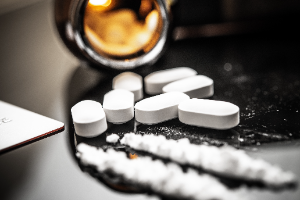
It's a significant shift in strategy. California prosecutors are now more inclined to pursue homicide charges against drug dealers whose fentanyl sales result in deaths.
This change, with some District Attorneys moving away from lenient, treatment-focused sentencing for drug offenses, is a direct response to the rising fentanyl overdose fatalities across the state.
More than a statistic, the fact that over 7,300 Californians died from opioids in 2022 is a stark reflection of a growing concern among authorities and communities. The devastating impact of fentanyl is becoming increasingly apparent, and there's a resolute determination to hold those responsible for the deaths accountable.
For those accused of fentanyl-related crimes, this distinction can make the difference between a sentence of 5-9 years in prison (for unlawful distribution) and the potential for life imprisonment (for murder). The possibility of life imprisonment underscores the critical need for skilled legal representation in these cases.
What is Fentanyl?
Fentanyl is a synthetic opioid renowned for its potency, which is approximately 50 times stronger than heroin and 100 times more potent than morphine. It can be fatal in small doses when taken on its own. Sometimes, heroin and cocaine drug dealers lace their products with fentanyl, which is cheaper.

As a pharmaceutical drug, it is approved for medical use in the management of severe pain, often in people who have developed resistance to other opioids.
Notably, however, due to its high potential for abuse and addiction, fentanyl is classified as a Schedule II controlled substance under the Controlled Substances Act by the U.S. Drug Enforcement Administration.
This classification indicates that while the drug has a recognized medical use, it carries a high risk of harm, including severe psychological or physical dependence. Due to its potency, the risk of overdose from fentanyl is exceptionally high.
Fentanyl Names and Symptoms
The street names include Apace, China Girl, China Town, Dance Fever, Friend, Goodfellas, Great Bear, He-Man, Jackpot, King Ivory, Murder 8, Poison, and Tango & Cash.
Fentanyl is consumed by snorting, smoking, orally by pill, spiked onto blotter paper or patches, and sold alone or in combination with heroin and other substances. It has been identified in fake pills, mimicking pharmaceutical drugs such as oxycodone. Fentanyl produces effects such as:
- euphoria,
- pain relief,
- relaxation,
- confusion,
- dizziness,
- nausea,
- vomiting,
- pupil constriction,
- respiratory depression.
A fentanyl overdose can cause stupor, changes in pupil size, clammy skin, cyanosis, coma, and respiratory failure, leading to death.
Why Are Dealers Being Charged with Homicide?
Fentanyl is a synthetic opioid that is 50 to 100 times more potent than morphine. Even trace amounts can cause fatal overdoses, often without the user knowing they've consumed the drug.
Due to its cost and potency, fentanyl is frequently mixed with other substances like heroin or counterfeit pills, making accidental overdoses and death more common.
The rationale for charging fentanyl distributors with murder is based on the idea that selling fentanyl in any form is inherently dangerous, creating a foreseeable risk of loss of life.
The underlying assumption is that dealers are aware of the immense danger associated with fentanyl. Its lethality alone is sufficient to argue that continuing to sell the drug demonstrates a reckless disregard for human life.
Prior Warnings to Drug Dealers
Additionally, prosecutors sometimes use prior warnings given to dealers, such as admonishments from courts or law enforcement about fentanyl's risks as evidence to establish criminal intent.
In other words, if you have a prior drug conviction and have received a court admonishment about fentanyl, you can no longer claim lack of intent as a defense.
Prosecutors also aim to deter similar behavior through these severe charges. By holding sellers accountable for overdose deaths, California's justice system seeks to crack down on the opioid crisis and deliver justice to families of overdose victims.
Law enforcement agencies emphasize that these cases send a strong message to the community, discouraging the distribution of fentanyl.
Potential Penalties for Homicide Convictions
The legal consequences for a homicide conviction in drug-related cases are severe and life-altering. If you are charged with second-degree murder in connection with fentanyl distribution, under California law, you could face 15 years to life in prison.
Aggravating factors, such as prior criminal history or the death of multiple individuals, could increase your sentence. Even if you're charged with a lesser offense, such as involuntary or voluntary manslaughter, penalties may include up to 11 years in prison and significant fines, depending on the case's circumstances.
Additional Sentencing - Health and Safety Code 11370.4 HS
Under Health and Safety Code 11370.4 HC, a judge can now impose additional sentences for the sale or transportation of fentanyl where the defendant knew of the substance's nature and character as a controlled substance. The length of the additional sentence depends on the quantity of the drug involved:
- Three years additional prison time for quantities greater than 1 kg and
- Up to 25 additional years in prison for quantities exceeding 80 kg.
Additional Fines - Health and Safety Code 11372 HS
Health and Safety Code 11372 HS now allows a judge to impose significantly higher fines for the possession, sale, or trafficking of fentanyl ($20,000 per offense).
In addition, if the defendant knew the nature of the drug and qualifies for enhanced sentencing under HSC 11370.4, the judge can also impose additional fines based on the quantity of the drug involved:
- A maximum of $1 million for quantities greater than 1kg and
- Up to $8 million for quantities exceeding 10 kg.
How a Skilled California Criminal Defense Attorney Can Help
When the accusations you face involve homicide tied to fentanyl, your freedom and future hang in the balance. These cases are among the most complex in modern criminal law, due to the intricate interplay of scientific evidence, intent, and causation.
However, with the right legal representation, you can navigate these complexities with confidence and reassurance.
That is why it is critical to have an experienced California criminal defense attorney fighting for your rights. A skilled attorney will meticulously review the evidence against you, including toxicology reports and any connections to the alleged victim, to develop a strong defense. Common defense strategies used in such cases may include:
- Disputing causation: making the argument, backed by forensic evidence, that other substances or underlying health conditions may have contributed to the death of the victim (i.e., challenging the presence of fentanyl as the cause of death)
- Lack of knowledge: arguing that you were unaware that the substance in question contained fentanyl.
- Challenging prior warnings: If you received the court admonition regarding the dangers of fentanyl, your attorney may review this record and challenge its admissibility in court if the warning contained any ambiguity.
- Lack of intent: If you never received the court admonition or were otherwise unaware of the dangers of fentanyl, your attorney may leverage this to challenge the element of criminal intent required to convict you of homicide.
Negotiation with the District Attorney
Bear in mind that the above defenses are primarily used in the context of negotiating for dismissal or reduction of homicide charges and/or a plea agreement, not necessarily challenging the underlying offense of unlawful distribution.

Suppose your attorney can cast enough reasonable doubt on the criminal intent required for a homicide conviction, for example.
In that case, they may be able to convince prosecutors to drop the homicide charge in exchange for a guilty plea on a lesser charge of unlawful distribution.
Suppose there is insufficient evidence to prove that you were involved in the distribution of fentanyl. In that case, your attorney may take a more aggressive tactic in your defense, using available evidence to make viable defenses such as lack of intent to distribute, mistaken identity, challenging witness testimony, etc.
For additional information, contact our criminal defense law firm, Eisner Gorin LLP, located in Los Angeles
Related Content:

 If you have one phone call from jail, call us! If you are facing criminal charges,