
If you are facing felony charges in California, one of the early steps in the trial process is the preliminary hearing, during which the court determines whether there is probable cause to proceed to trial.
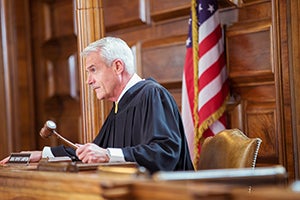
This proceeding plays a pivotal role in determining the course of your case. In certain circumstances, a California criminal defense attorney may advise you to waive your right to this hearing, a decision that can significantly impact your case.
What advantages might you have in waiving this hearing, and what disadvantages could it cause?
Waiving a preliminary hearing in California can accelerate the legal process and may help you obtain a plea deal or stop the prosecution from pursuing more serious charges.
However, it also means giving up the opportunity to challenge the prosecution's evidence and cross-examine witnesses early, potentially weakening your defense and restricting your ability to file future motions.
Key Takeaways
- Waiving your preliminary hearing in California is not just a procedural step. It's a strategic decision that can expedite your case but involves crucial choices. The best course of action is to make this decision after consultation with your criminal defense attorney.
- It's important to remember that a preliminary hearing is a significant step in your defense strategy. It's where a judge evaluates the evidence to decide if the case should proceed to trial.
- Waiving this hearing is a substantial, potentially irrevocable decision that can significantly influence your defense strategy.
- Prosecutors frequently present a more favorable plea deal if a defendant agrees to waive the preliminary hearing. This might serve as motivation if you're already considering a guilty plea.
- Your attorney might suggest waiving the hearing if there are vulnerabilities in the defense that could be revealed during your cross-examination of prosecution witnesses.
What Is a Preliminary Hearing?
A preliminary hearing, also known as a probable cause hearing, is a court proceeding held prior to a felony trial. Its primary purpose is for a judge to determine whether sufficient evidence or probable cause exists to proceed to trial, indicating that a crime was committed and that the defendant is the likely perpetrator.

During this hearing, the prosecutor presents evidence and may call witnesses, whom the defense attorney can cross-examine.
The standard of proof for the prosecution at this stage is lower than at trial; they only need to establish probable cause, not guilt beyond a reasonable doubt.
If you are charged with a felony, you are entitled to a preliminary hearing within ten days of your arraignment. However, in practice, most defendants opt to have the hearing several weeks later.
During the preliminary hearing, you have the right to confront prosecution witnesses, present evidence to counter an element of the offense, challenge prosecution evidence, and establish an affirmative defense.
The Option to Waive Your Preliminary Hearing
To waive your preliminary hearing rights, you need to plead guilty either before or during the hearing or formally give up your right to the hearing. In all cases, you must be represented by an attorney when making the waiver, or you must waive your right to counsel publicly in court, except in capital cases.
After the waiver, an "information" must be filed within 15 days. This information can only allege the offenses set forth in the original complaint. Even if you choose to waive your preliminary hearing, the prosecutor or judge might still require one to occur.
Every defendant in a felony case has the right to a preliminary hearing. However, you can choose to give up, or "waive," this right. If you do so, your case will proceed toward trial by default unless your attorney negotiates a plea agreement. Let's discuss some of the pros and cons of doing so.
Potential Pros of Waiving the Hearing
Waiving your preliminary hearing can offer several strategic advantages depending on the details of your case. These include:
- Avoiding Damaging Testimony: The preliminary hearing creates a sworn record of witness testimony. If a witness provides testimony that is particularly harmful to your case, that testimony can potentially be used against you later at trial, especially if the witness becomes unavailable. Waiving the hearing prevents this testimony from being officially recorded.
- Preventing Further Investigation: The process of preparing for a preliminary hearing can sometimes lead the prosecution to uncover additional evidence or identify new charges to file against you. By waiving the hearing, you may limit the prosecution's opportunity to build a stronger case.
- Strategic Negotiations: In some instances, waiving your right to a preliminary hearing can be used as a bargaining chip in plea negotiations. The prosecution may be willing to offer a more favorable plea deal, such as reducing charges or recommending a lighter sentence, in exchange for your agreeing to waive the hearing and move the case forward more quickly.
- Avoiding Unnecessary Publicity: Since preliminary hearings are public, they can sometimes generate unwanted publicity if your case happens to be a high-profile one. Waiving the preliminary hearing helps you minimize this additional public scrutiny.
- Minimizing Stress for Victims or Witnesses: In sensitive cases, the defense may agree to waive the hearing to spare alleged victims or sympathetic witnesses from the stress of testifying. This can sometimes generate goodwill that may be beneficial during plea negotiations.
- Saving Money and Time: A preliminary hearing involves your attorney preparing for and participating in an additional court session. If you pay your attorney, this can reduce your costs. Additionally, it helps you advance your case to the next stage more efficiently.
Potential Cons of Waiving the Hearing
Despite the potential benefits, there may also be significant disadvantages to waiving your preliminary hearing that must be considered:
- Losing an Opportunity for Discovery: The preliminary hearing is a valuable opportunity for your defense attorney to discover the strengths and weaknesses of the prosecution's case. It allows your attorney to hear witness testimony under oath and cross-examine them, potentially revealing inconsistencies or weaknesses that can be used to your advantage later.
- Forfeiting a Chance for Dismissal: While the standard of proof is low, a judge can find that the prosecution has not met the probable cause threshold. If this occurs, the judge can dismiss the charges against you. By waiving the hearing, you lose this early opportunity to have your case thrown out.
- Losing the Chance to "Lock In" Testimony: Just as testimony can be damaging, it can also be beneficial. If a prosecution witness gives testimony that is helpful to your defense, having it recorded under oath can be a powerful tool. This sworn testimony can be used at trial to impeach the witness if they try to change their story.
- Reduced Leverage for Plea Bargaining: While waiving can sometimes aid negotiations, holding a preliminary hearing can also create leverage. Suppose your attorney effectively challenges the prosecution's evidence or witnesses during the hearing. In that case, the prosecutor may be more willing to offer a favorable plea agreement than risk a weakened case at trial.
The decision to waive a preliminary hearing is a strategic one that should only be made after careful consultation with your defense attorney.
There is no single answer that applies to every situation. An experienced California criminal defense attorney will analyze the specifics of your case to determine if waiving the hearing is in your best interest. For more information, contact our criminal defense law firm, Eisner Gorin LLP, in Los Angeles, CA.
Related Content:

 If you have one phone call from jail, call us! If you are facing criminal charges,