
What the Law Requires, When It Takes Effect, and Why It Matters
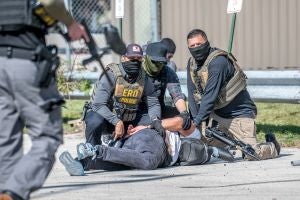
In September 2025, California Governor Gavin Newsom signed Senate Bill 627, commonly known as the “No Secret Police Act,” into law.
This legislation significantly changes how law enforcement officers may present themselves while on duty by restricting the use of masks or face coverings that conceal an officer's identity.
The law was enacted to increase transparency, accountability, and public trust in policing—particularly during high-visibility enforcement operations.
The statute becomes effective January 1, 2026, and carries both criminal and civil consequences for violations.
What Is the “No Secret Police Act” (SB 627)?
SB 627 prohibits most law enforcement officers from wearing facial coverings that conceal or obscure their identity while performing official duties.
The law applies to:
-
State law enforcement agencies
-
Local law enforcement agencies
-
Certain federal law enforcement activity occurring in California (currently subject to legal challenge)
SB 627 adds:
-
Government Code § 7289
-
Penal Code § 185.5
Together, these provisions restrict facial concealment and impose penalties for violations.
When Does SB 627 Take Effect?
-
Effective Date: January 1, 2026
-
Agency Policy Deadline: July 1, 2026
By July 1, 2026, all covered law enforcement agencies must adopt and publish written policies governing the use of facial coverings.
Why Was SB 627 Enacted?
The law was enacted following public concern over masked federal law enforcement operations, particularly immigration enforcement actions conducted by Immigration and Customs Enforcement (ICE) in 2025.
Community members and legislators argued that masked officers:
-
Created fear and confusion
-
Made it difficult to identify officers
-
Prevented accountability for alleged misconduct
SB 627 reflects the Legislature's position that the public has a right to know who is exercising police power over them.
What Does SB 627 Prohibit?
Under SB 627, a law enforcement officer may not wear a facial covering that conceals or obscures their identity while performing official duties.
“Facial covering” includes:
-
Balaclavas
-
Ski masks
-
Tactical masks
-
Neck gaiters
-
Any disguise that obscures facial features
Exceptions Under the Law
SB 627 includes several important exemptions, allowing facial coverings when necessary for safety or legitimate operations, including:
-
Medical masks (e.g., N95s)
-
Protection against environmental hazards (smoke, gas, toxins)
-
Helmets (motorcycle, water rescue)
-
Clear face shields
-
SWAT operations
-
Authorized undercover assignments
-
Tactical missions requiring protective gear
Penalties for Violating the No Secret Police Act
Criminal Penalties
A willful and knowing violation may be charged as:
-
An infraction, or
Civil Liability and Loss of Qualified Immunity
If an officer commits a tort (such as assault, battery, false arrest, or false imprisonment) while wearing a prohibited facial covering, the law imposes severe consequences:
-
Loss of qualified immunity
-
Personal civil liability
-
Minimum statutory damages of $10,000 or actual damages (whichever is greater)
This provision dramatically increases officers' personal exposure for violating the statute.
Legal Challenges and Federal Opposition
SB 627 has been met with immediate opposition from federal agencies, including the Department of Homeland Security.
The federal government argues that:
-
The law violates the Supremacy Clause
-
States cannot regulate federal law enforcement uniforms or tactics
-
Mask restrictions endanger officer safety
Litigation is ongoing, and the law's application to federal agents remains contested.
Common Defenses to SB 627 Violations
A defense attorney may raise several arguments, including:
Lack of Willful Intent
The statute requires proof that the violation was knowing and intentional.
Exempt Operational Activity
The officer was engaged in:
-
SWAT duties
-
Undercover operations
-
Tactical missions requiring protective equipment
Agency Policy Compliance
If the officer acted under a compliant, published agency policy, criminal penalties may not apply.
Federal Preemption
For federal agents, the defense may argue that state law cannot criminalize conduct authorized by federal policy.
Why SB 627 Matters in Criminal and Civil Cases
SB 627 affects:
-
The legality of arrests
-
Suppression of evidence arguments
-
Civil rights lawsuits
-
Officer immunity defenses
For defendants and civil plaintiffs, a violation may open the door to suppression motions or civil damages.
For officers, noncompliance carries personal criminal and financial risk.
Speak With a California Criminal Defense Attorney
Whether you are:
-
A law enforcement officer facing SB 627 allegations
-
A defendant arrested by a masked officer
-
A civil plaintiff evaluating a rights violation
Legal guidance is essential.
Contact Eisner Gorin LLP in Los Angeles at 818-781-1570 for experienced representation in matters involving SB 627 and complex criminal or constitutional issues.
Related Content:

 If you have one phone call from jail, call us! If you are facing criminal charges,