
Recent months have seen an uptick in protests across Southern California, most notably in response to increased activity by Immigration and Customs Enforcement (ICE) within the region.
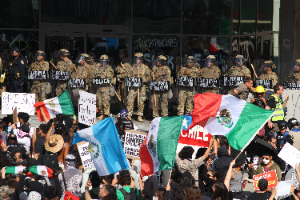
These demonstrations, fueled by a surge in civic engagement, have frequently drawn large crowds advocating for the rights of immigrants and social justice.
However, this surge has also led to reports of unrest, including property damage, violence, and other criminal activity.
These incidents sometimes result in arrests and the filing of criminal charges against protesters, underscoring the importance of understanding your legal rights to maintain order.
Regardless of the circumstances of an arrest, you hold legal rights. Understanding these rights is crucial if you plan to participate in protests or encounter law enforcement during these events. This knowledge empowers you and prepares you for any situation.
Peaceful Protest
Whether you're a citizen, immigrant, or ally, the law is unequivocally on your side, protecting your right to protest peacefully. This legal protection should instill a sense of security and confidence in your actions, knowing that the law limits what law enforcement can legally do during or after your demonstration.
This includes peacefully protesting government action, such as ICE raids or immigration policy enforcement. However, law enforcement agencies sometimes attempt to silence these protests through intimidation, unlawful arrests, or even excessive force.
Knowing and understanding your rights as a protester is not just a matter of legal knowledge; it's a shield against unlawful arrest and rights violations. By respectfully claiming these rights, you can significantly reduce the risk of such incidents.
Let's delve into these rights in further detail so you can make informed choices and protect yourself legally.
Your Constitutional Right to Peacefully Assemble
In California, the right to protest is protected under Article I, Section 2 of the California Constitution. However, these rights are not absolute and are subject to time, place, and manner restrictions.

Protesters should be aware of their rights, including the right to film the police, and understand what actions law enforcement can take during a protest. It's also crucial to know what to do if your rights are violated, such as documenting the incident and filing a complaint.
The First Amendment of the United States Constitution guarantees your right to assemble peacefully. This reassurance should give you the confidence to feel safe and supported in your efforts to protest peacefully.
As noted, California law also reinforces this right, provided that the gathering does not lead to violence or obstruction of public safety, such as blocking emergency responses or major traffic thoroughfares without proper authorization.
Keep in mind that while your constitutional right allows for peaceful assembly, permits may still be required for certain types of demonstrations, especially those that use public streets or require sound amplification.
Additionally, suppose law enforcement declares an emergency due to unrest and calls for a curfew, for example. In that case, you are required to disperse before the curfew or upon notification by the police.
Be sure to check local permit regulations before organizing or attending large-scale events, and be aware of developing situations so your right to peaceful assembly stays protected.
Critical Rights Protesters Should Know
As a protester, there are also additional rights that safeguard you, especially in situations involving law enforcement:
- Your Right to Remain Silent: If approached, stopped, or detained by law enforcement, you are not obligated to answer questions. Politely state, "I am exercising my right to remain silent." Avoid volunteering unnecessary information, as anything you say could potentially be used against you, even if you're not currently under arrest, and even if your Miranda rights have not been read to you.
- Your Right to Refuse a Search: Law enforcement cannot search you, your belongings, or your property without a warrant or probable cause, which means they must have a reasonable basis to believe a crime is being or has been committed. Firmly but respectfully state, "I do not consent to a search." Even if officers proceed without your consent, claiming probable cause, your verbal refusal can be beneficial later in legal proceedings.
- Your Right to Record: You have the legal right to record police officers in public spaces as long as you do not interfere with their duties. Video recordings can be powerful evidence in cases where police misconduct is alleged. However, always remain mindful of your safety while documenting.
- Your Right to an Attorney: If you are detained or arrested, you have the right to legal representation. Clearly state, "I am invoking my right to an attorney," and avoid answering questions until your lawyer is present.
- Your Right Against Unlawful Detainment: Law enforcement must have reasonable suspicion to stop or detain you. If you believe you are being unlawfully detained, do not resist. Instead, cooperate calmly and document the situation for review later.
What to Do If You Are Arrested at a Protest
Arrests during protests can be intimidating, but staying calm and following these strategies can protect your rights and help build your defense:
- Stay Calm and Do Not Resist: Even if you believe the arrest is unjust, do not resist physically or verbally. Resisting can lead to additional charges, such as obstruction or resisting arrest.
- Clearly State Your Rights: Reiterate that you are exercising your right to remain silent and that you are requesting legal counsel. Avoid making statements beyond these points.
- Request Legal Representation Immediately: Ask for an attorney as soon as it becomes clear you are being detained. Be aware of whom to contact in case of an arrest.
- Take Photos and Videos: Photograph any injuries and, if possible, record the incident. You have the right to record police in public spaces as long as you do not interfere with their duties.
- Document What You Can: If possible, attempt to note badge numbers, patrol car numbers, or other identifiers of the officers involved. This information can be useful in legal proceedings. Avoid reaching for your phone or making sudden movements without first announcing these actions to the officers detaining you, as they may be misinterpreted as resistance or a threat.
- Alert a Trusted Contact: Before attending a protest, share your plans with a friend or family member and agree on a communication system. If arrested, law enforcement is required to allow you to make a phone call. Use this call to notify your contact so they can alert legal counsel or support networks.
- Avoid Signing Documents Without a Lawyer Present: If presented with documents while in custody, do not sign them unless your attorney has reviewed them. You may inadvertently waive critical rights by signing them.
For more information, contact our California criminal defense lawyers, Eisner Gorin LLP, located in Los Angeles.
Related Content:

 If you have one phone call from jail, call us! If you are facing criminal charges,